Metabolic adaptation and energy regulation visualization

Understanding Energy Regulation After Restriction

Exploring the physiological mechanisms underlying weight regain and metabolic adaptation

Physiological Responses to Severe Energy Restriction

When the body experiences significant energy deficit, a complex cascade of physiological mechanisms activate to preserve energy and maintain homeostasis. These adaptive responses involve metabolic, hormonal, and behavioural changes that significantly influence energy balance in the post-restriction period.

This resource explains the scientific evidence surrounding these adaptation processes, examining how the body responds to prolonged caloric restriction and the mechanisms that contribute to weight regain patterns observed in longitudinal research.

Educational content only. No promises of outcomes.

Physiological overview of energy restriction effects

Metabolic Adaptation Mechanisms

Severe caloric restriction triggers measurable reductions in resting metabolic rate through multiple physiological pathways:

Mechanism Response Evidence
Resting Metabolic Rate (BMR) Significant reduction in daily energy expenditure 10-25% decrease documented in VLCD studies
Adaptive Thermogenesis Reduction in dietary thermogenic effect and spontaneous activity Metabolic adaptation beyond simple caloric prediction
Energy Utilisation Efficiency Body becomes more efficient at using available energy Persistent effects during and post-restriction period
Fat-Free Mass Preservation Protective mechanisms to conserve lean tissue Variable preservation depending on restriction severity and duration

Hormonal Responses to Prolonged Restriction

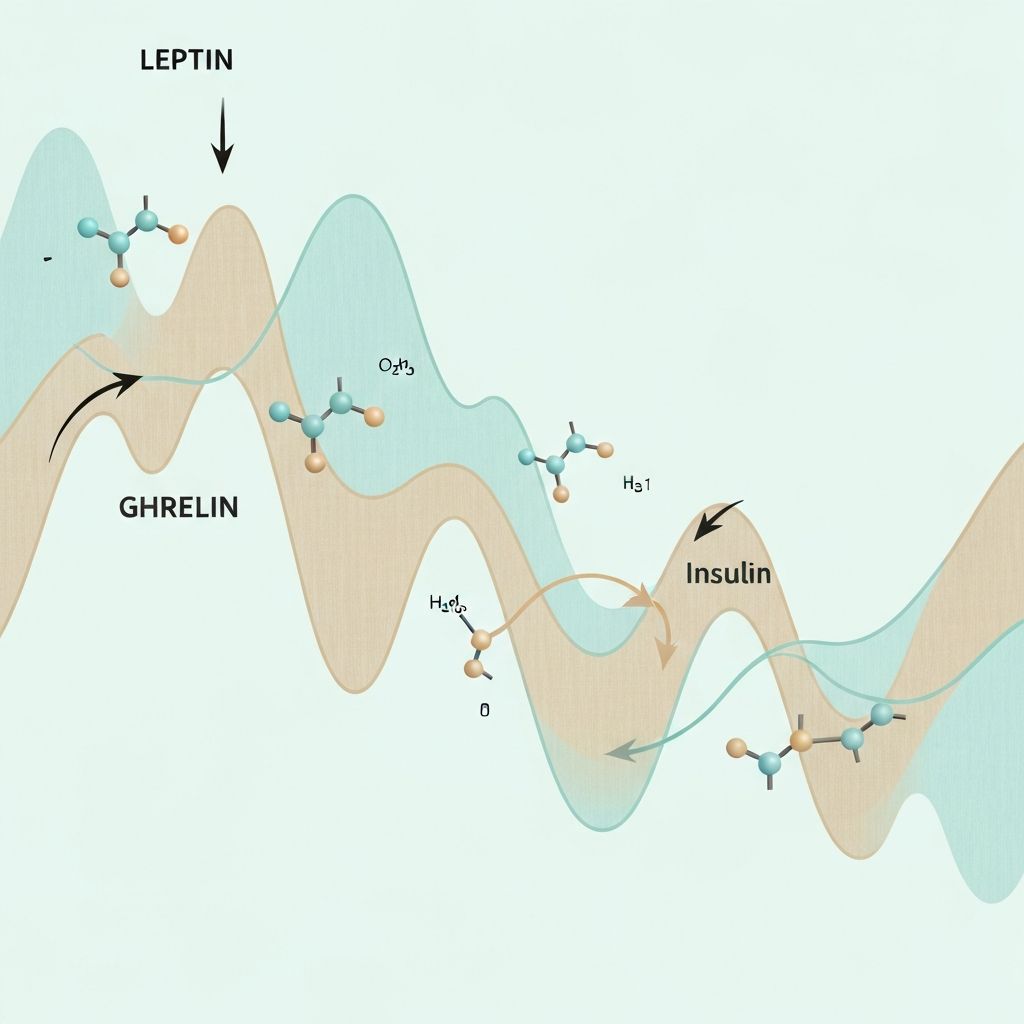
Hormonal response visualization

Energy restriction produces significant alterations in hormonal signalling that influence appetite regulation, energy expenditure, and metabolic rate. Three key hormones demonstrate dramatic changes:

Leptin, produced by adipose tissue, decreases substantially with energy deficit, signalling reduced energy availability and triggering compensatory mechanisms. Ghrelin, the hunger hormone, increases in response to caloric restriction, promoting increased appetite signalling. Insulin levels decline with reduced carbohydrate intake and body weight loss.

These hormonal changes persist beyond the restriction period, contributing to the physiological drive to restore energy balance and body weight.

Loss of Fat-Free Mass Contribution

Fat-free mass, comprising muscle, bone, organs, and water, represents metabolically active tissue. During severe energy restriction, the body preserves fat stores but may lose significant fat-free mass, which subsequently reduces resting energy expenditure:

Impact on REE

Each kilogram of fat-free mass lost reduces daily energy expenditure by approximately 20 kilocalories. This reduction compounds over time and contributes substantially to decreased caloric requirements post-restriction.

Long-term Consequences

Restoration of fat-free mass requires sustained energy surplus and resistance activity, making metabolic rate recovery a prolonged process. This persistent reduction in energy expenditure represents a significant factor in weight regain patterns.

Appetite Regulation Changes Post-Restriction

Beyond hormonal changes, the brain's reward sensitivity to food increases following energy restriction. Neurobiological adaptations enhance the motivational salience of food cues, resulting in heightened hedonic responses to eating.

Appetite suppression mechanisms become less effective in the post-restriction period. The combination of elevated ghrelin signalling, reduced leptin suppression of hunger centres, and enhanced reward sensitivity creates a potent drive to consume energy beyond baseline requirements.

Research demonstrates that appetite compensation often exceeds the magnitude of prior restriction, contributing to rapid weight regain in the immediate post-diet period.

Appetite regulation changes post-restriction

Behavioural Compensation Patterns

Observational studies document consistent behavioural patterns in the post-restriction period. Individuals frequently report:

Increased Intake

Spontaneous caloric intake rises above baseline, often overshooting prior restriction magnitude.

Food Selection Changes

Preference shift toward higher-energy-density foods, particularly those restricted during the deficit phase.

Eating Pattern Alterations

Frequency and portion sizes increase as compensatory feeding patterns establish.

Set-Point Theory and Body Weight Regulation

Set-point theory body weight regulation

The set-point theory proposes that body weight is regulated around a biologically defended reference point. Severe energy restriction moves the body below this defended level, activating powerful compensatory mechanisms.

Physiological and behavioural responses work synergistically to restore the defended weight range. Metabolic adaptation reduces energy expenditure, whilst hormonal and neurobiological changes increase energy intake drive.

The strength and consistency of these defence mechanisms suggests weight regulation involves robust homeostatic processes that resist sustained displacement from the defended range.

Long-Term Outcomes from Research

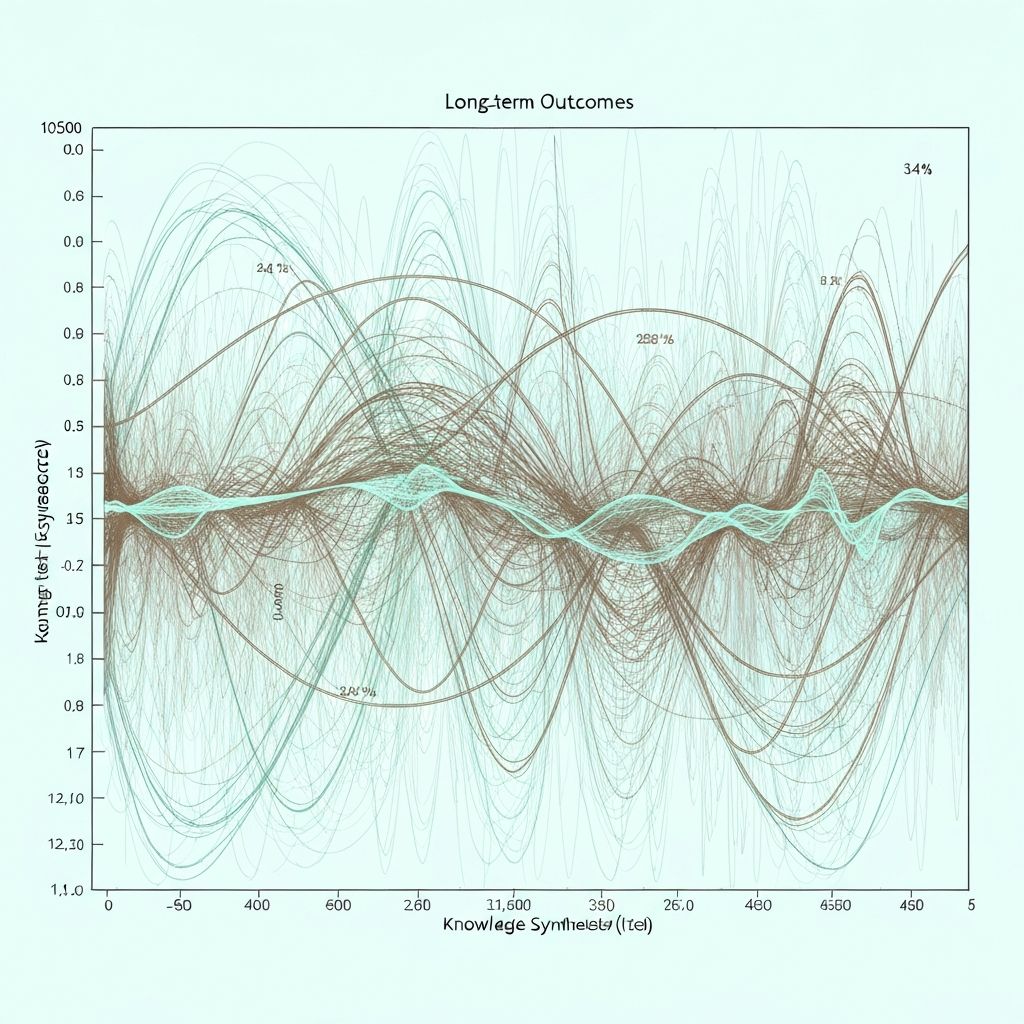
Long-term research outcomes visualization

Meta-analyses of longitudinal weight loss studies reveal consistent patterns in long-term outcomes. Research examining very-low-calorie diets (VLCD) demonstrates that approximately 50-70% of lost weight is regained within 12 months post-intervention, with further regain over subsequent years.

These outcomes reflect the cumulative impact of metabolic adaptation, hormonal changes, and behavioural compensation. The magnitude of weight regain correlates with restriction severity and duration, supporting the dose-response relationship between energy deficit and compensatory responses.

Key finding: Spontaneous weight regain occurs despite maintained awareness of the prior restriction experience, suggesting the power of biological regulation mechanisms in restoring body weight homeostasis.

Explore Detailed Research Articles

Adaptive Thermogenesis After Restriction

Detailed exploration of how the body reduces energy expenditure through metabolic adaptation mechanisms.

Read the research overview →

Leptin and Ghrelin Dynamics

Understanding hormonal changes in post-diet phases and their role in appetite regulation.

Learn about hormonal responses →

Muscle Mass Loss and REE

How fat-free mass reduction affects resting energy expenditure long-term.

Explore body composition data →

Appetite Compensation Following Deficit

Behavioural observations of eating pattern changes in the post-restriction period.

Continue to behavioural analysis →

Set-Point Theory in Weight Regulation

Homeostatic mechanisms and the defended range hypothesis in body weight regulation.

Explore set-point research →

Long-Term Weight Outcomes After VLCD

Longitudinal study data examining weight regain patterns and recovery trajectories.

Review longitudinal evidence →

Frequently Asked Questions

What is adaptive thermogenesis?

Adaptive thermogenesis refers to the body's ability to reduce energy expenditure below expected levels during caloric restriction. This metabolic adaptation occurs through decreases in resting metabolic rate, reduced dietary thermogenesis, and diminished spontaneous physical activity.

Why does body weight regain occur so frequently?

Weight regain reflects the integration of multiple physiological and behavioural mechanisms activated by energy restriction. Metabolic adaptation, hormonal changes, alterations in appetite regulation, and behavioural compensation patterns combine to promote weight restoration toward the defended range.

How long do these adaptive responses persist?

Research indicates that metabolic adaptation and hormonal changes persist for months to years post-restriction. The timeline for normalisation varies considerably between individuals and correlates with restriction severity and duration.

Is the set-point theory universally accepted?

Whilst set-point theory provides a useful framework for understanding weight regulation, contemporary obesity research recognises multiple regulatory mechanisms beyond a single defended point. The evidence supports the concept of a defended weight range with biological processes resisting sustained displacement.

What percentage of weight is typically regained?

Meta-analyses of longitudinal studies demonstrate considerable variability, with approximately 50-70% of lost weight regained within 12 months. Longer-term follow-up reveals continued regain, though the rate of weight recovery diminishes over time.

Energy Homeostasis and Biological Regulation

This educational resource presents evidence-based explanations of how physiological systems respond to energy restriction. Understanding these mechanisms provides context for interpreting research findings on weight regulation, metabolic adaptation, and long-term weight outcomes.

Educational content only. No promises of outcomes.

Explore Research Articles